
The Natural Law Guide
What to Eat for Your Dosha: The Ayurvedic Guide to Food for Vata, Pitta and Kapha
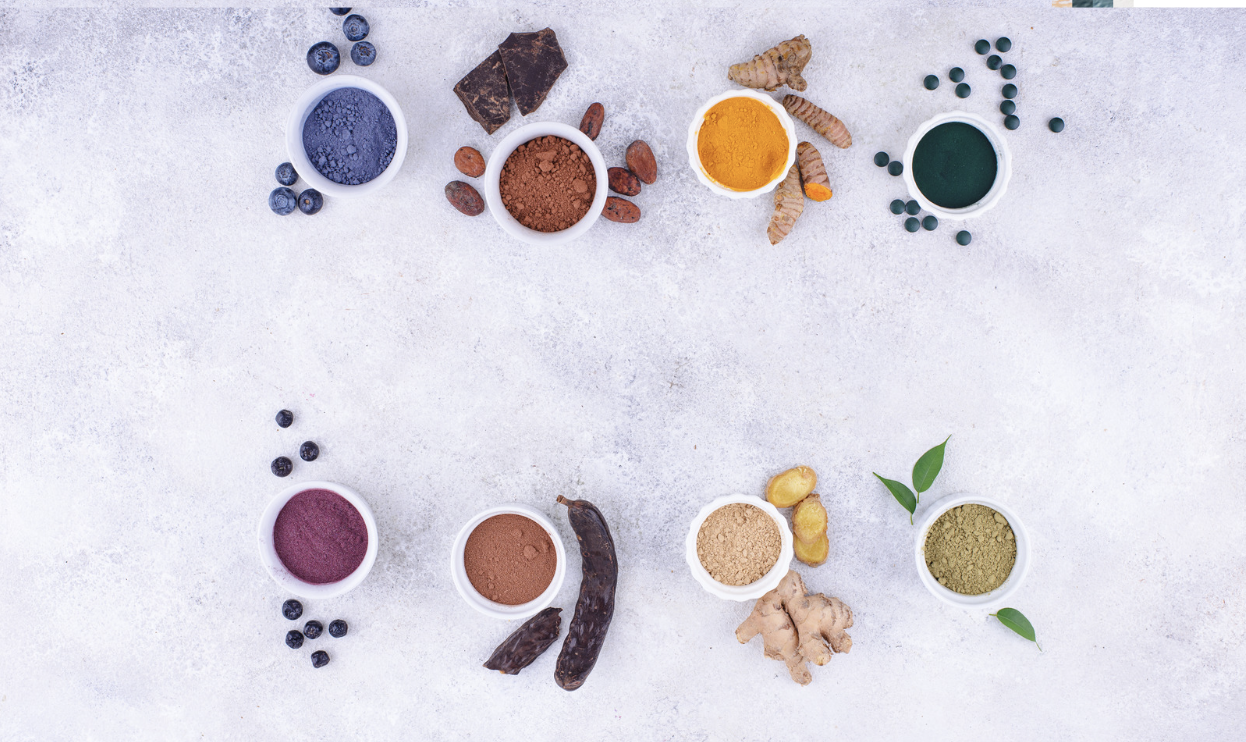
There is no Ayurvedic diet. There is your Ayurvedic diet.
That is where Ayurveda parts company with every food trend you have tried. Keto, paleo and plant-based all hand the same plate to everyone. Ayurveda asks who is eating, how strong their digestion is, and what season it is, then builds the plate from there. The food that grounds one person inflames another.
So the first step is not a shopping list. It is knowing your dosha. If you have not done it yet, take the free dosha quiz. Then come back and read the section for your type.
The six tastes are the whole system
Modern nutrition counts protein, fat and carbohydrate. Ayurveda reads food by taste, because taste is how it describes a food’s effect. Every food carries one or more of six tastes, and each one pushes the doshas in a particular direction:
- Sweet (rice, milk, dates) nourishes and builds. It calms Vata and Pitta.
- Sour (yogurt, lemon, tamarind) wakes up digestion. Good for Vata, but it can aggravate Pitta and Kapha.
- Salty (sea salt, seaweed) grounds and hydrates. It settles Vata and can disturb Pitta and Kapha.
- Bitter (kale, turmeric) lightens and clears. It balances Pitta and Kapha and increases Vata.
- Pungent (ginger, chili, garlic) heats and stimulates. Helpful for Kapha, but it can inflame Pitta and Vata.
- Astringent (beans, pomegranate) dries and tightens. It balances Pitta and Kapha and aggravates Vata.
The Ayurvedic ideal is all six tastes at a meal, weighted toward the ones your constitution needs. That one idea replaces most diet rules.
Three principles that apply to everyone
Before the dosha-specific part, three food principles hold for every type:
- Eat real food, close to the source. Ayurveda values fresh, whole food for its prana, its life force. In Ayurveda, prana-rich food is the first principle of lasting energy.
- Eat with the season. Root vegetables in autumn, bitter and pungent greens in spring. The grocery store offers everything all year, but Ayurveda holds that what grows in season is what the season calls for.
- Protect the digestive fire. Heavy food, too much food, cold food, old or processed food, even cold water taken with a meal, all turn the digestive fire down. The best food is the food you can digest.
How food is prepared matters as much as what it is. Raw spinach, for example, can increase Vata and leave you bloated and dry, while the same spinach cooked with sesame oil and cumin becomes Vata-pacifying. Small swaps like that are the heart of the practice, and ten simple ones are a good place to start.
If you are Vata: warm, moist, grounding
Vata is air and space: light, dry, cold and changeable. When it runs high you may notice dry skin and lips, gas and bloating, constipation, a low appetite and a scattered or anxious mind.
The food answer is the opposite qualities: warm, cooked, moist and a little oily. Favor sweet, sour and salty tastes. In autumn that means root vegetables, winter squash, carrots, beets and sweet potatoes, which are sweet, heavy and moist, plus grounding grains like basmati rice. Cook with ghee or sesame oil. A warm vegetable stew does more for Vata than any salad.
Ease off the bitter, pungent and astringent tastes, and raw, cold, dry food. Ayurveda’s own example: a raw juice cleanse that refreshes a Kapha type can leave a Vata type bloated, anxious and weak.
If you are Pitta: cooling and calming
Pitta is fire and water: hot, sharp and intense. When it runs high, and summer is when it usually does, you may notice irritability, impatience, acidity and heat in the body.
Cool it down. Favor sweet, bitter and astringent tastes. Leafy greens, cucumber, broccoli, cauliflower and asparagus all belong on a Pitta plate, along with coconut water, milk and yogurt, and cooling grains like rice and barley.
Ease off the pungent, sour and salty tastes: chili, heavy salt and very sour food feed the fire you are trying to calm.
If you are Kapha: light, warm and stimulating
Kapha is earth and water: heavy, stable and slow. When it runs high, digestion turns sluggish and the body and mind feel heavy.
Lighten it. Favor pungent, bitter and astringent tastes. Apples and pomegranates are the light, astringent fruits Ayurveda reaches for. When you feel sluggish, pungent spices like ginger, turmeric or cayenne are the traditional way to wake up the digestive fire. Ginger taken with a little honey is a classic Kapha pairing.
Ease off the sweet, sour and salty tastes, and heavy meals. Ayurveda notes that a diet built on heavy protein may energize a Pitta type while leaving a Kapha type sluggish.
The food that suits everyone
Ayurveda singles out a few foods as tridoshic, meaning they suit all three types when cooked well. Mung beans are the classic. Ayurveda recommends soaking them overnight and cooking them with ginger, cumin, coriander and turmeric to make them easier still to digest. Kitchari, rice and split mung dal simmered with digestive spices, is the dish Ayurvedic households turn to when digestion needs a rest. If you cook one new thing this month, cook kitchari.
Food shapes the mind too
Ayurveda also sorts food by its effect on the mind. Sattvic food, fresh, seasonal and easy to digest, is described as bringing calm and clarity. Rajasic food, spicy, salty or processed, excites the senses. Tamasic food, stale, fried or leftover, clouds the mind and dulls energy. Whatever your dosha, a plate that leans sattvic is a plate that leans clear.
Where to start
Do not throw out your kitchen. For one week:
- Find your dosha.
- Add the tastes your type needs to one meal a day.
- Cook one dish from the series below.
Notice how you feel after meals. That feedback is the real Ayurvedic diet. If you manage a medical condition or take medication, talk to your healthcare provider before making significant changes to how you eat.
Amish
Frequently asked questions
What should I eat for my dosha?
Favor the tastes that calm your dosha and ease off the ones that aggravate it. Vata, which runs cold, dry and light, does best with warm, moist, cooked food and the sweet, sour and salty tastes. Pitta, which runs hot and sharp, does best with cooling food and the sweet, bitter and astringent tastes. Kapha, which runs heavy and slow, does best with light food, pungent spices and the pungent, bitter and astringent tastes.
What are the six tastes in Ayurveda?
Sweet, sour, salty, bitter, pungent and astringent. Ayurveda teaches that every food carries one or more of them and that each taste moves the doshas in a particular direction. A balanced meal includes all six, weighted toward the tastes that suit your constitution.
Is there one Ayurvedic diet for everyone?
No. Ayurveda starts from your constitution, your digestion and the season. The same food can suit one person and aggravate another, and the same person may need different food in summer and winter. A few principles are shared: fresh food, seasonal food, and protecting the digestive fire.
Which foods suit all three doshas?
Ayurveda considers a few foods tridoshic, meaning they suit every constitution when cooked with the right spices. Mung beans are the classic example, and kitchari, rice cooked with split mung dal and digestive spices, is the classic dish.
A five-week program with coaching from Ayurvedic doctors and chefs, and more than 90 recipes for every dosha and every season.
Explore Cooking With Ayurveda