
The Natural Law Guide
The Ayurvedic Morning Routine: A Simple Dinacharya for Energy, Digestion and a Clear Mind
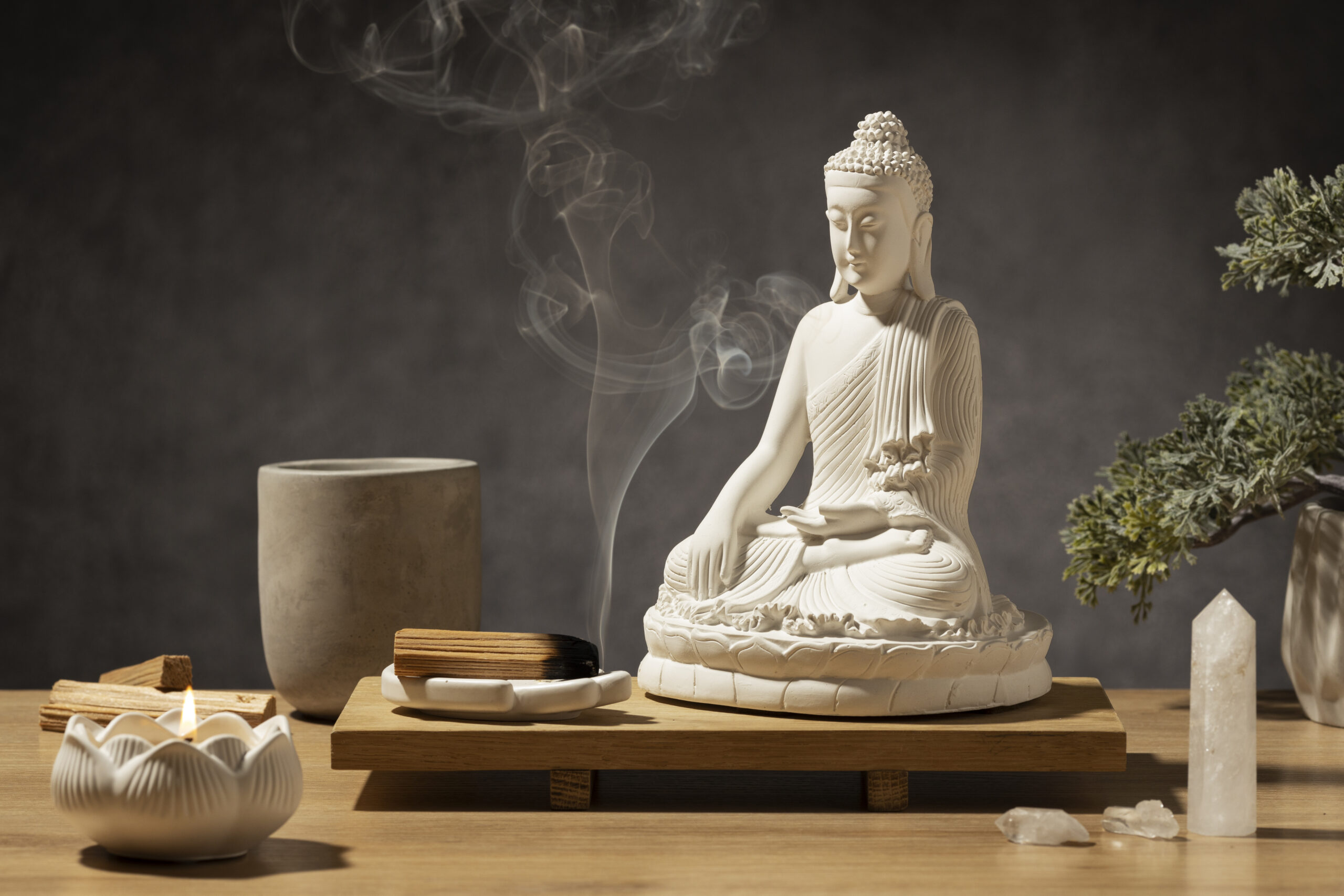
You do not need more energy. You need rhythm.
That is the whole argument of this guide. Most people wake up straight into stress, caffeine and a phone. Then they spend the rest of the day trying to recover a steadiness they never had a chance to build.
Ayurveda’s answer is dinacharya, the daily routine. And the morning is where it starts.
What dinacharya is
Dinacharya is Sanskrit for “daily routine”. It is a set of practices timed to nature’s cycles: rituals that gently cleanse the body, awaken the mind, stimulate digestion and calm the nervous system.
The idea underneath it is simple. Energy is not something you generate through effort. In the Ayurvedic view, it arises when the body is supported by consistent, predictable patterns. Two people can eat the same food and sleep the same hours and still feel completely different. One is in rhythm. The other is not.
So a morning routine is not a checklist to complete. It is a signal to your body that the day has begun, delivered the same way every day until the body starts to expect it.
Why the morning matters most
Ayurveda sees the first hours of the day as setting direction. Early morning carries qualities of lightness and movement, which makes it the natural time to wake up both body and mind.
The first thing you do each morning shapes the rest of the day, and the actions you repeat become habits. The Upanishads trace the chain further: an action becomes a habit, a habit becomes character, and character becomes destiny.
A 20-minute Ayurvedic morning
You can do this tomorrow. Start small: 15 to 20 minutes is enough to shift a day. Add pieces as they become natural.
1. Wake early, at the same time
Ayurveda recommends waking before sunrise where you can, and in summer around 5 to 6 AM, the coolest part of the day. The exact hour matters less than keeping it consistent. Sit up slowly. Take a moment for gratitude or an intention before you reach for anything.
2. Scrape your tongue
Our family starts every morning with this one. Take a copper or stainless steel tongue scraper and spend a minute or two clearing the coating that builds overnight. Ayurveda also treats it as a daily check-in on your health: a heavy coating is one of the signs it reads as sluggish digestion.
Some people add oil pulling here, swishing a spoonful of sesame or coconut oil for several minutes before spitting it out. It is a traditional practice. It does not replace brushing, flossing or your dentist.
3. Drink warm water
Ayurveda compares digestion to a fire. Cold water dampens it and warm water supports it. A glass of warm water soon after waking is the simplest way to wake up digestion. Then give elimination its time; Ayurveda treats regular elimination as part of the routine. Some people add a squeeze of lemon or a pinch of rock salt.
4. Warm oil massage
Abhyanga, massage with warm oil, is the practice many people come to love most. Warm a little sesame oil, massage it into your skin, then take a warm shower. Ayurveda values it for relaxation, sleep and digestion. In the heat of summer, cooling coconut oil takes the place of sesame. Skip it during a high fever.
5. Breath and stillness
A few minutes of deep, slow nasal breathing, then a few minutes of stillness. Meditation, a short journal entry or simply sitting quietly all count. Even ten minutes of stillness is a lot for a busy morning. Five is a fine start.
6. A light, warm breakfast
Ayurveda keeps breakfast light, warm and easy to digest: stewed fruit or a spiced porridge, with a tea of ginger, tulsi, or cumin, coriander and fennel. The heavy lifting is saved for lunch, when digestion is strongest, between about 10 AM and 2 PM.
Adjusting it to your dosha and the season
Dinacharya is not one-size-fits-all. The routine that protects you in winter is different from the one that serves you in summer. In the heat, Ayurveda leans cooler: room-temperature water infused with mint or cucumber, cooling breath, gentle movement before the sun gets strong. In the cold months, warm oil and warm food carry more of the weight.
Your constitution shapes it too: even the choice between oil massage and dry brushing depends on your constitution. If you do not know your dosha yet, take the free dosha quiz. It tells you which way to tilt the routine.
For a deeper practice, Ayurveda also uses nasya, herbal oil applied to the nostrils, as a morning ritual for clear breathing and a steady mind. It is best learned from a practitioner.
How to make it stick
- Anchor it. Tie the routine to something you already do, like the kettle or the first light.
- Protect the first 20 minutes. No phone until you finish.
- Do less, every day. Two practices done daily beat six done on Sundays.
- Notice what changes. After two weeks, check in on your energy, digestion and mood.
Ayurveda is not asking you to become a different person by tomorrow. It is asking for the same small morning, repeated, until it becomes who you are.
If you have a medical condition, take medication, or are pregnant, check with your healthcare provider before starting new practices such as oil pulling or nasya.
Amish
Frequently asked questions
What is dinacharya?
Dinacharya is Sanskrit for daily routine. In Ayurveda it is a set of daily practices timed to nature's cycles, meant to cleanse the body, awaken the mind, stimulate digestion and calm the nervous system. The morning is its foundation.
What is a simple Ayurvedic morning routine?
Wake at a consistent time, ideally before sunrise. Scrape your tongue, drink a glass of warm water, and let elimination happen. Give yourself a warm sesame oil massage before a shower, take a few minutes of breathwork and stillness, and finish with a light, warm breakfast. Even 15 to 20 minutes is enough to start.
Why does Ayurveda recommend warm water in the morning?
Ayurveda compares digestion to a fire. It teaches that cold water dampens that fire and warm water supports it. A glass of warm water soon after waking is one of the simplest ways to wake up digestion, and some people add lemon or a pinch of rock salt.
What time should I wake up according to Ayurveda?
Ayurveda recommends waking early, before sunrise where possible, and around 5 to 6 AM in summer to enjoy the coolest part of the day. Consistency matters as much as the hour: a regular wake time is what the body learns to rely on.
Build the routine with teachers beside you. The Ancient Wisdom Academy is our Ayurveda mentoring academy, with online courses and masterclasses from leading Ayurveda experts.
Explore the Academy